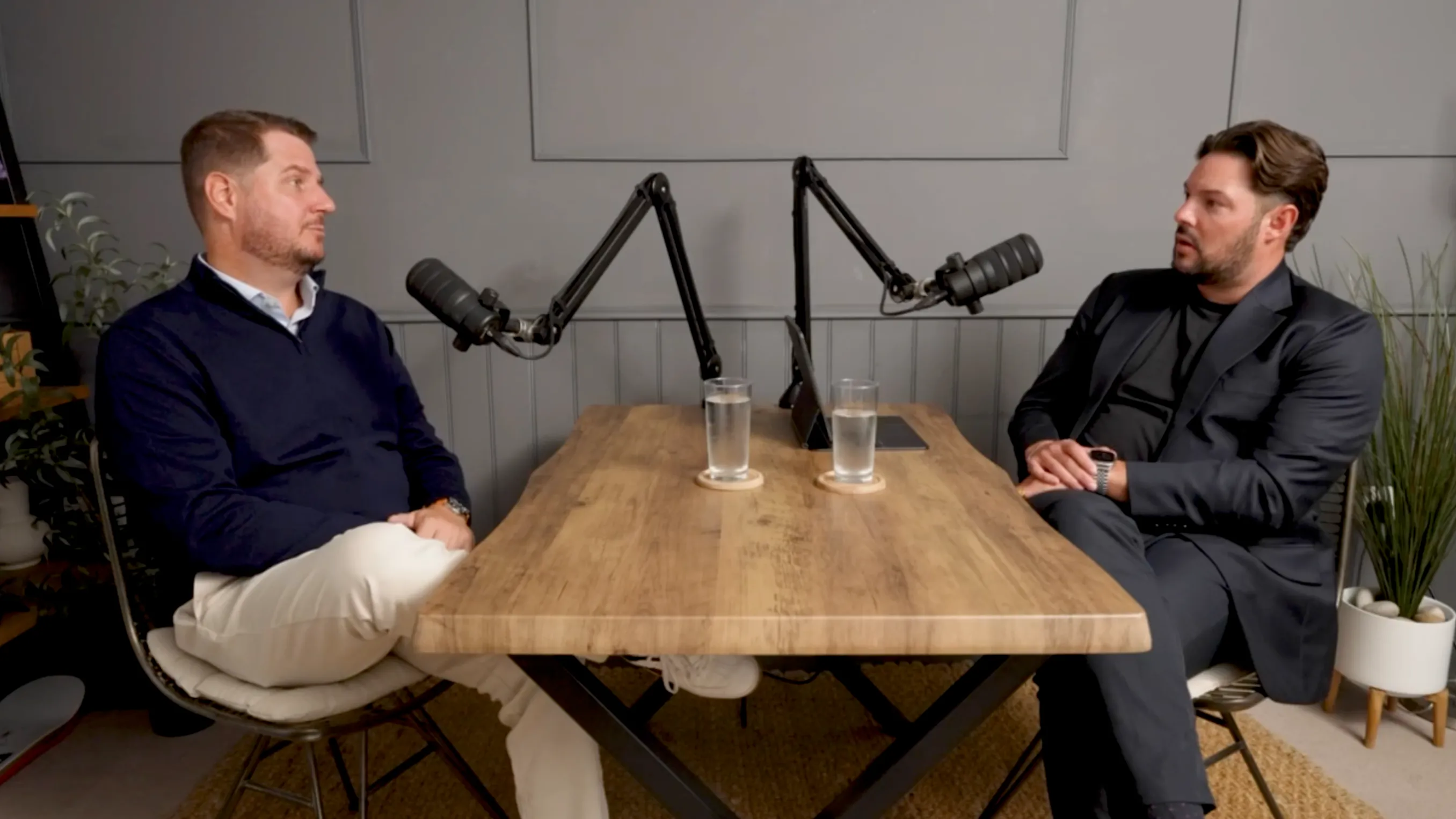
Latest episode
We check whether your drivers, your actuals and your hierarchies can carry a model before we put AI on top of them. The price is fixed after that check.
AI in FP&A covers the forecast, the first draft of the variance commentary and the scenario branches. A model produces them and a person checks them against the ledger. The tasks that suit it repeat every cycle and have an answer somebody can verify.
The model only works on drivers the business owns. A driver nobody outside finance has agreed to is an assumption. A forecast built on assumptions is one nobody will defend in a board meeting.
Constancia is an EPM consultancy, and we read the planning model before we put AI on it. If the drivers, the actuals or the hierarchies cannot carry a model, that is the first piece of work.
The model rolls the forecast forward from the drivers, headcount, pipeline and volume, each month without a rebuild.
The model writes the first draft of why actuals differ from plan, by entity and by line, and an analyst edits it.
A scenario branches off the base case and the downstream effects update themselves, so 3 versions cost the same as 1.
The model checks the actuals loaded from each ledger against the plan's hierarchies and lists what does not map.
A named person in finance signs anything that reaches a number the board reads, and the model records what it used.
The drivers have owners outside finance, the actuals load from the ledgers every month, and the hierarchies match the consolidation. The model learns from data that means the same thing every time.
3 workbooks hold 3 versions of the customer list, the actuals arrive by email and the hierarchies were last agreed in 2 different years. The model learns 3 definitions of the same number.
The plan consolidates across entities, so the same driver has to mean the same thing in each.
A budget round, a funding round or a board date that the forecast has to be ready for.
Abacum (FP&A software) or OneStream (EPM software), or a spreadsheet estate the team has agreed to leave.
A person outside finance who will stand behind headcount, pipeline or volume when the forecast is challenged.
A single-entity business planning in 1 workbook does not need this yet. The spreadsheet is the right tool until the structure outgrows it.
Constancia is an official partner of both and our consultants are certified on both.
No. A model takes the repeating work: rolling the forecast, drafting the commentary, checking the actuals. The judgement about what the numbers mean, and the signature on the board pack, stay with the finance team.
In 4 places: forecasting from drivers, the first draft of variance commentary, scenario branches that update themselves, and reconciliation of loaded actuals against the plan. Each one works only where the underlying data model is owned.
The one that reads your planning model directly. On OneStream (EPM software) that is SensibleAI, and on Abacum (FP&A software) it is Abacum Intelligence. A general chatbot fed a spreadsheet export has no way to check its own output against the ledger.
It is a rule of thumb that circulates online: let a model do about 30% of a task and keep a person on the rest. It is not a standard. Our test is plainer. A model does the tasks that repeat and have a checkable answer, and a person signs anything the board reads.
The spreadsheet work is. The analyst who used to rebuild the forecast every month now spends that time on why the variance happened. That was always the job.

Latest episode
Every Sunday, 6am
Our weekly newsletter on AI in finance.
Yours to enjoy with your Sunday morning coffee.
The people who would do the work read every message and reply inside 2 working days.
Free guide
Get our AI in finance predictions for 2027
Enter your details below and we will send a free copy to your inbox right now.
Check your inbox for your copy of the predictions.
We use cookies to improve the site and measure our adverts.Read the cookie notice
Strictly necessary
Keeps the site working and remembers these choices. Always on.
Statistics
Counts visits and the pages read, so we can improve the site. Never used for adverts.
Advertising
Lets Google and LinkedIn measure our adverts and show them to people who have visited.