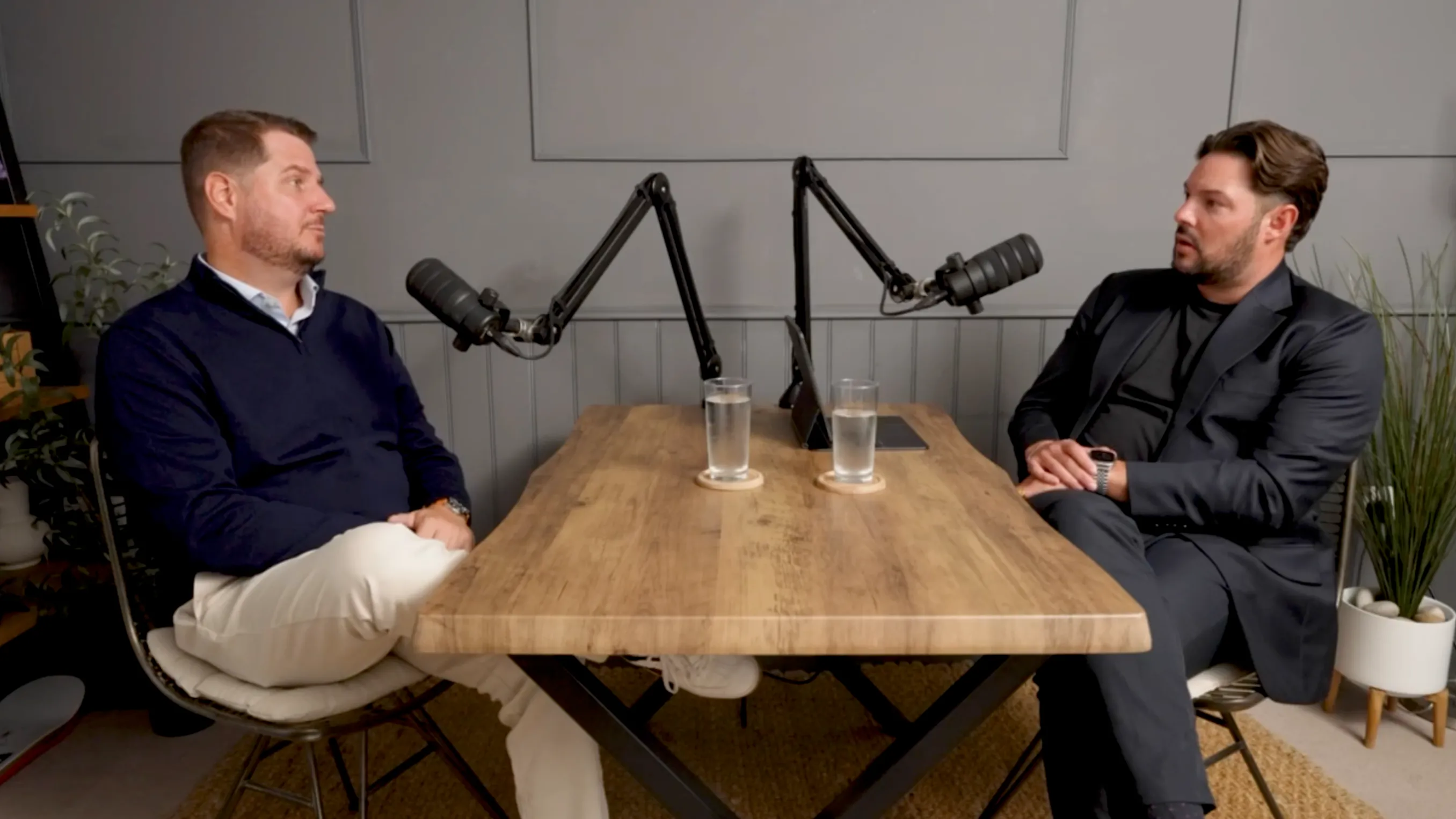
Latest episode
We read the consolidation, the ledgers and the spreadsheets that would feed a model before anyone chooses a tool. The price of making them ready is fixed after that read.
AI advisory for finance finds out whether a group's consolidation, ledgers and spreadsheets can feed a model that produces a number the CFO will sign. Constancia is an EPM consultancy, and we do that work for multi-entity groups that have a date in the diary.
Our consultants have read the data model on 58 implementations over 35 years. The same 3 faults recur: 1 measure with 2 definitions, a ledger for every acquisition and a close that ends in 1 person's workbook.
If the consolidation and the board pack define gross margin differently, a model learns both definitions and reports 2 margins with equal confidence. The finance director then spends the week before the board meeting choosing which one to defend.
Constancia goes in first. We survey the consolidation as it is run, each ERP and the spreadsheets, and list every place 2 systems disagree before we write a price.
The survey finds it first, and the price carries it. A ledger that fails to reconcile is found in the survey and priced in before the client signs.
A model needs 1 set of entities, accounts and periods that the close, the plan and the report all read. The survey records which of those exist today and which the roadmap still has to build.
| Where the work starts | What the structure is good at | How Constancia differs | |
|---|---|---|---|
| A boutique EPM partner | The build, on a scope agreed before anyone has read the data model. | A similar profile to ours on paper: senior people who know the platforms. | We survey the data model first and fix the price on what we found, so the data risk sits with us. |
| A Big 4 firm | A partner scopes the programme and a delivery team then joins it. | Breadth. The same firm can take the ERP, the tax and the audit readiness as well. | The people who do the survey do the build, and the price is set after we have been into the data. |
| Your own finance team | The build, with people who already know every ledger in the group. | Often the right answer for the build itself. | Knowing what the model needs to look like before the build starts comes from seeing the same faults in many groups. That is the part we bring. |
| A software vendor | The tool, with the data model assumed to fit it. | A capability the group will need, shown working on somebody else's data. | We establish whether the data underneath can carry what you want to build before the tool is chosen. |
The group closes in more than 1 ledger, so the same account has to mean the same thing in each before a model reads it.
The mandate has a date on it: an IPO, an integration, an audit clock or a budget round the forecast has to be ready for.
The group numbers are assembled in HFM, BPC or IBM Controller. In other groups the numbers come out of workbooks that 1 person maintains.
At that size the finance function has entity teams as well as a group team, and the definitions have to travel between them.
General or operational AI advisory outside the finance data estate is work we do not take on.
The survey of the data model that every other service on this page starts from.
Read about the assessmentThe 4 things an agent has to be able to read before it works on the close.
Read about agentsForecasting, commentary and scenarios on a planning model built from drivers the business owns.
Read about FP&AA forecast tested against the group's own actuals before the board sees it.
Read about forecastingAgents on the reconciliations and the mappings, with a named person signing each period.
Read about the closeEntity by entity, which finance data is fit for a model today and which is not yet.
Read about the assessmentA programme that has stalled, restarted from the data model rather than from the plan.
Read about restartsA dated roadmap written after the data model has been read, in the order it can bear.
Read about roadmapsThe close and the reporting as they actually run, including the workbook nobody put in the design.
Read about processesThe applications that last in a group repeat every month: mapping a new ledger to the group chart, checking reconciliations and drafting variance commentary. Each one needs a model that can say where a figure came from and a named person who signs the result.
Finance teams use generative AI mostly to draft and summarise, and a first draft of the board commentary now takes seconds. The draft cannot tell that the 2 reports it read define gross margin differently, so an analyst checks every figure against the consolidation.
Copilot is as good as the files it is allowed to read. In a group that finishes its numbers in spreadsheets, it summarises the workbook in front of it and presents that as the group position.
No product replaces the CFO, and the question points at the wrong layer. The work beneath the CFO, the close, the reconciliations and the first draft of the pack, can be automated once each definition has an owner.
A new CFO can ask 1 question of every report in the board pack: who owns the definition of each measure on it. Where the answer is nobody, that measure goes first on the AI roadmap, because a model cannot learn a number that 2 teams define differently.

Latest episode
Every Sunday, 6am
Our weekly newsletter on AI in finance.
Yours to enjoy with your Sunday morning coffee.
The people who would do the work read every message and reply inside 2 working days.
Free guide
Get our AI in finance predictions for 2027
Enter your details below and we will send a free copy to your inbox right now.
Check your inbox for your copy of the predictions.
We use cookies to improve the site and measure our adverts.Read the cookie notice
Strictly necessary
Keeps the site working and remembers these choices. Always on.
Statistics
Counts visits and the pages read, so we can improve the site. Never used for adverts.
Advertising
Lets Google and LinkedIn measure our adverts and show them to people who have visited.