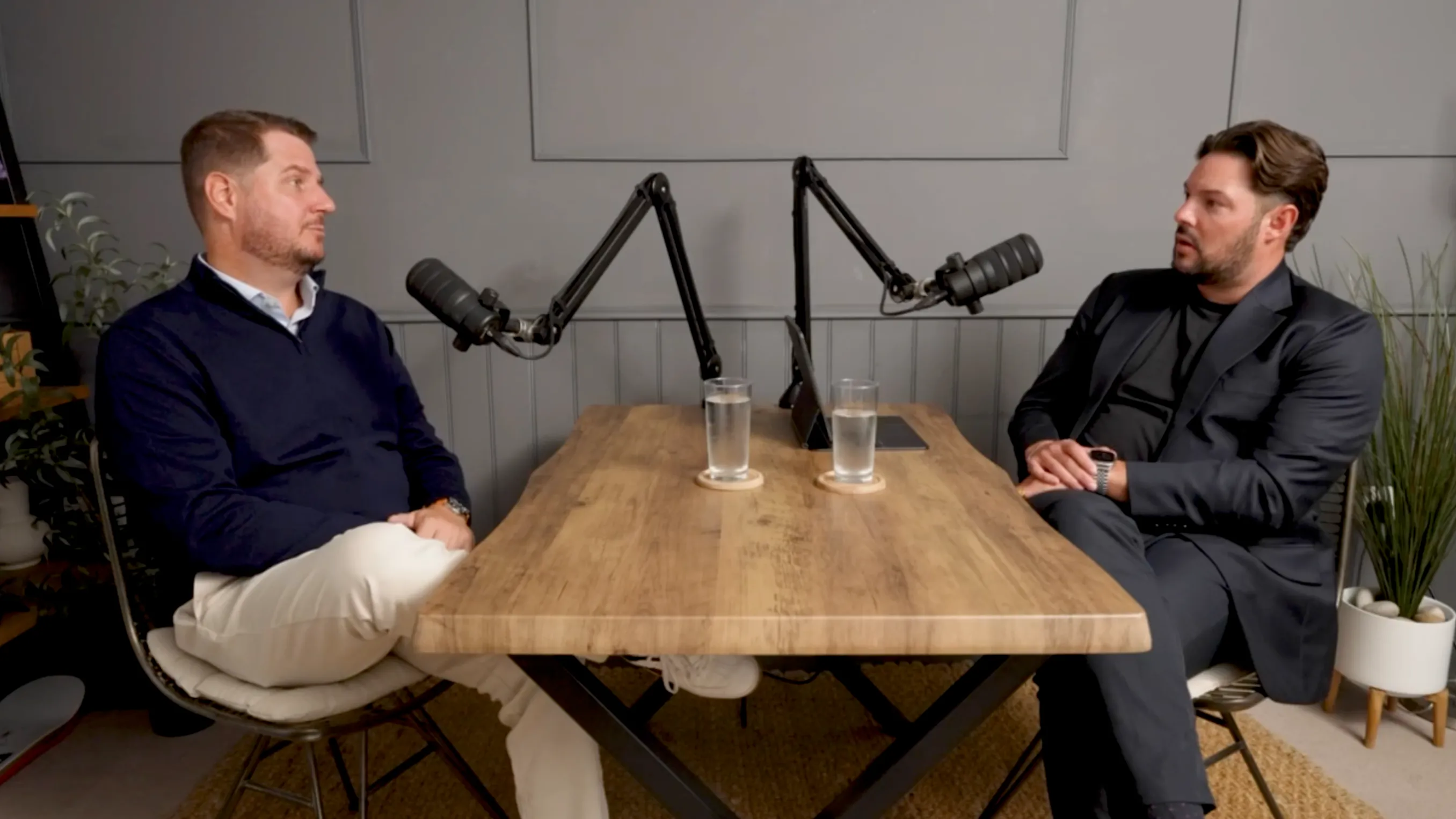
Latest episode
We read the consolidation, the ERPs and the spreadsheets between them, name every risk in the data and challenge the roadmap. The build price is fixed on what the survey found.
An AI readiness assessment for finance is a survey of the data model a group's numbers run through, done before any price is agreed and before anything is built. Constancia, an EPM consultancy, sells it as a separate piece of work with its own written output.
We sit through a close and read the rules HFM, BPC or the workbook applies, including the ones nobody still at the company has read.
Each ERP exports in its own format and at its own grain, and we record what each one will release.
The mappings, the eliminations and the last mile of the close usually live in workbooks, and we list every one and who can open it.
Gross margin, headcount and revenue by customer are read in every report that carries them, and each definition is written down beside its rivals.
We ask who would sign each definition if the auditor challenged it, and record the ones where the answer is nobody.
The calendar is drawn as it is run, with every handoff from 1 person to another marked on it.
Scoping usually happens in a requirements workshop, because that is when the budget is set, and nobody has yet opened the data model.
When the third ERP exports at a different grain from the first 2, the finding arrives as a change order. The person who signed the business case then explains it to the board.
The assessment moves that discovery to the front, so the finding is in the fixed price before the client signs.
The consolidation, the ERPs, the planning model, the spreadsheets that join them and the people who own each definition. Anything a model would later read is read first by us.
We do not choose the platform during the assessment, because the platform is a capability and the data model decides what it can carry. AI outside the finance data estate sits with another adviser.
| Scoped before reading the model | Scoped after the assessment | |
|---|---|---|
| When the price is set | At the budget round, from a requirements workshop. | After the survey, on what the survey found. |
| Where a surprise in the ledger lands | In a change order in month 4. | In the risk list, priced before the client signs. |
| Who reads the data model first | The build team, after the contract is signed. | The consultants who will build on it, before any price is agreed. |
| What the roadmap is based on | The software demonstration and the workshop's wish list. | The data model as it runs, in the order it can bear. |
| Who owns each definition | Decided during the build, by whoever is in the room. | Named in the survey, with the gaps listed. |
A readiness assessment is a survey that establishes whether an organisation can support a change before money is committed to it. In finance the change is usually a model or an agent, and the thing surveyed is the data the model would read.
Most frameworks name data, technology and people. In a finance function the data carries the other 2, because a model built on 2 definitions of gross margin produces 2 margins.
Ask 3 questions of every figure the board reads: which ledger it came from, who owns its definition and who can rerun it. The assessment asks them of the consolidation, the ERPs and the spreadsheets in turn.
Finance data is ready when a number traces to its ledger, every definition has an owner and the close needs nobody's workbook. The assessment tests those 3 conditions entity by entity and lists where each one fails.
Put the close, the consolidation, planning and reporting on 1 data model, agree the definitions and give each 1 a named owner. The build comes after that, and the assessment sets the order the model can bear.

Latest episode
Every Sunday, 6am
Our weekly newsletter on AI in finance.
Yours to enjoy with your Sunday morning coffee.
The people who would do the work read every message and reply inside 2 working days.
Free guide
Get our AI in finance predictions for 2027
Enter your details below and we will send a free copy to your inbox right now.
Check your inbox for your copy of the predictions.
We use cookies to improve the site and measure our adverts.Read the cookie notice
Strictly necessary
Keeps the site working and remembers these choices. Always on.
Statistics
Counts visits and the pages read, so we can improve the site. Never used for adverts.
Advertising
Lets Google and LinkedIn measure our adverts and show them to people who have visited.