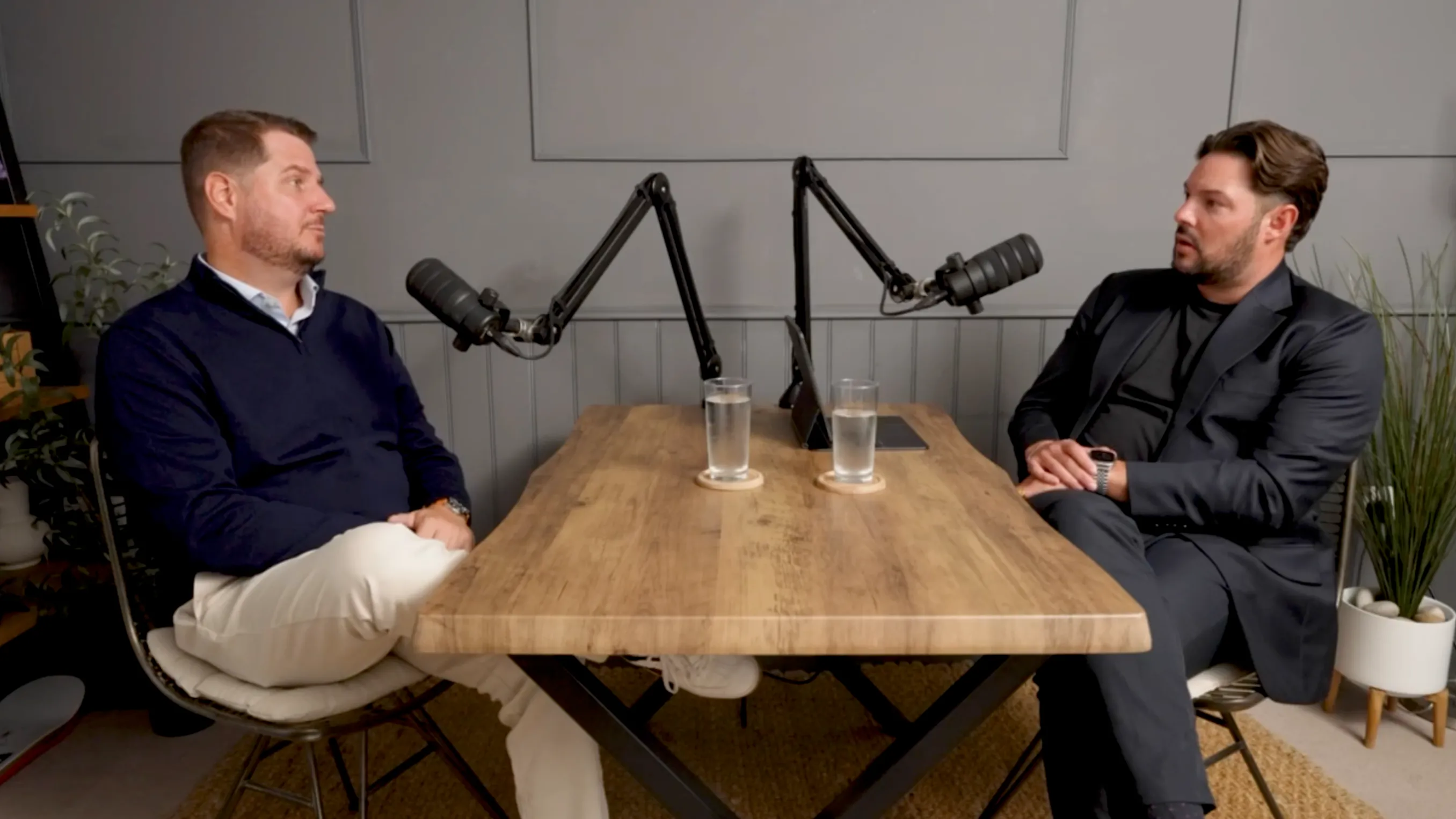
Latest episode
FP&A analysts spend the first 3 days of each month assembling numbers and the rest of the month defending them. AI can take over those 3 days for teams whose actuals trace back to a ledger.
Asked whether AI will replace FP&A, we answer yes for 1 of its 2 jobs and no for the other. The first job gathers the numbers from 3 ERPs and 20 workbooks. The second job decides what those numbers mean and signs the forecast.
A team of 6 analysts who each spend 3 days a month collecting, reconciling and formatting numbers spends 216 analyst days a year on assembly. An AI model reading a planning model that finance owns can take most of those days. The model cannot take the days spent agreeing volume with a country managing director.
When actuals arrive as 20 workbooks with 20 versions of the cost centre list, the model builds a forecast nobody will stand behind. Analysts then spend the time saved working out which list it used. Constancia is an EPM consultancy, and we survey the planning model for this problem before a group buys a licence.
| Moves to the model | Stays with the analyst | |
|---|---|---|
| Collecting actuals from 3 ERPs | The model loads each ledger through its mapping and flags the 12 lines that failed validation. | The analyst decides what the 12 lines are and phones the entity that sent them. |
| Reconciling the plan to the ledger | The model ties each plan line to its actual and lists the differences over a threshold. | The analyst decides which differences are timing and which are a business change. |
| Rolling the forecast forward | The model refreshes the forecast from the agreed drivers and last month's close. | The analyst challenges the driver the sales director has left unchanged for 3 quarters. |
| Writing the variance commentary | The model drafts a sentence per variance, entity by entity, with the figure it read. | The analyst rewrites the 2 that are wrong and adds the 1 the model could not know about. |
| Branching a scenario | The model branches the base case, changes the drivers asked for and recalculates the downstream lines. | The analyst decides which 3 scenarios the board sees and which 9 it does not. |
| Formatting the board pack | The model fills the pack from the model, with each figure linked to its cell. | The analyst decides which page the bad news sits on and how the CFO wants it said. |
| Negotiating the budget | The model shows each budget holder the last 3 years of their line and the group target. | The analyst sits in the room with the budget holder and comes out with a number both will own. |
| Signing the forecast | The model records which drivers, actuals and mappings the forecast was built from. | The head of FP&A signs the forecast, and the record sits beside the signature for the auditor. |
A planning model built on the consolidation's entities, accounts and periods gives the AI model actuals it can trust. The analyst then gets a forecast with a record of how it was built. In month 2 the team works on the drivers instead of the data load.
A planning model fed from 20 workbooks gives the AI model 20 versions of the truth, and the forecast looks equally confident whichever version it used. In month 2 the team traces which version that was, so the assembly work comes back in a new form.
An AI forecast is useful to the team when it records which cost centre list it read. A forecast without that record gives the team 1 more thing to reconcile.
Without a model, the analyst rebuilds the forecast on the last Friday of the month and defends it on the first Monday. The rebuild leaves 2 hours to prepare the defence. With the assembly on a model, the Friday rebuild goes and the defence gets the whole week.
On Monday the team discusses why Germany's volume is flat when the pipeline says otherwise, and whether the hiring plan is 3 months late. A model can produce the 3 scenarios, but has no view on which one the CFO should back. The analyst picks 1 and defends it.
Every hour of an analyst's week goes on either assembly or judgement. The model takes the assembly hours and leaves the judgement, which is the work the CFO hired the team to do.
A driver that nobody outside finance has agreed is a cell an analyst types into. A forecast the model refreshes from that cell still has the analyst as its author, and now it looks more certain. Sales directors who never agreed the pipeline driver reject the model's forecast as quickly as the analyst's.
The model can take over the assembly work once 3 things are in place: a planning model finance owns, drivers the business owns and a consolidation that traces. Those 3 things change the analyst's job. Without them, the group adds a licence and the job stays the same.
Constancia is an official partner of OneStream (EPM software) and Abacum (FP&A software). We review the planning model and the drivers before we fix the price. Our survey shows the head of FP&A which half of the job can move to the model this year.
We list 6 close and forecast tasks where a controller can test the AI's answer against the ledger.
Read the articleWhat FP&A covers, from budgets and forecasts to scenarios, and where it sits between the ledger and the board.
Read the explainerWe build budgets and forecasts on drivers the business owns, in the same structure as the actuals.
Read the service
Latest episode
Every Sunday, 6am
Our weekly newsletter on AI in finance.
Yours to enjoy with your Sunday morning coffee.
The people who would do the work read every message and reply inside 2 working days.
Free guide
Get our AI in finance predictions for 2027
Enter your details below and we will send a free copy to your inbox right now.
Check your inbox for your copy of the predictions.
We use cookies to improve the site and measure our adverts.Read the cookie notice
Strictly necessary
Keeps the site working and remembers these choices. Always on.
Statistics
Counts visits and the pages read, so we can improve the site. Never used for adverts.
Advertising
Lets Google and LinkedIn measure our adverts and show them to people who have visited.